What Hydraulic Hoses Are Used Within Waste Management?
Hydraulic systems form the backbone of the waste management industry. From refuse collection vehicles to recycling plant machinery, hydraulics provide the power and precision needed to lift, compact, and transport waste efficiently. These systems operate in some of the harshest working conditions, constant vibration, debris exposure, and heavy-duty pressure cycles, which makes the quality and reliability of hydraulic hoses absolutely critical.
When a hose fails, waste operations can grind to a halt, leading to safety concerns and lost productivity. That’s why choosing the right hose, maintaining it correctly, and having rapid repair support are essential.
Hydraquip Hose & Hydraulics delivers all three, offering 24/7 mobile hydraulic hose repairs to keep waste management fleets and facilities operating with minimal downtime.
Firstly, we’ll look at where hydraulics play their biggest role within the waste management process.
The Role of Hydraulics in Waste Management
Across the waste management sector, hydraulic power is what keeps essential machinery moving. Whether it’s a bin lift on a refuse truck, a compactor at a transfer station, or a baler in a recycling facility, hydraulics enable smooth, powerful, and repeatable motion under load. These systems handle heavy waste materials, frequent stop-start cycles, and continuous operation, so they demand high-quality hoses that perform under pressure.
Hydraulic Power in Waste Collection Vehicles
Modern refuse collection vehicles rely heavily on hydraulics to automate lifting, compacting, and tipping. Hoses connect pumps, valves, and actuators that raise bins, operate compactors, and control tailgate mechanisms. Because these vehicles work daily in busy environments, hose reliability and correct routing are essential to avoid leaks, downtime, or safety hazards.
Hydraulics in Recycling and Sorting Facilities
In recycling plants, hydraulics power the core equipment, from conveyor systems and crushers to balers and shears. These machines use high-pressure hydraulic hoses to deliver consistent force, compressing materials for transport or processing. Due to constant movement and exposure to dust and debris, hoses with superior abrasion and temperature resistance are vital to long-term reliability.
Applications in Landfills and Transfer Stations
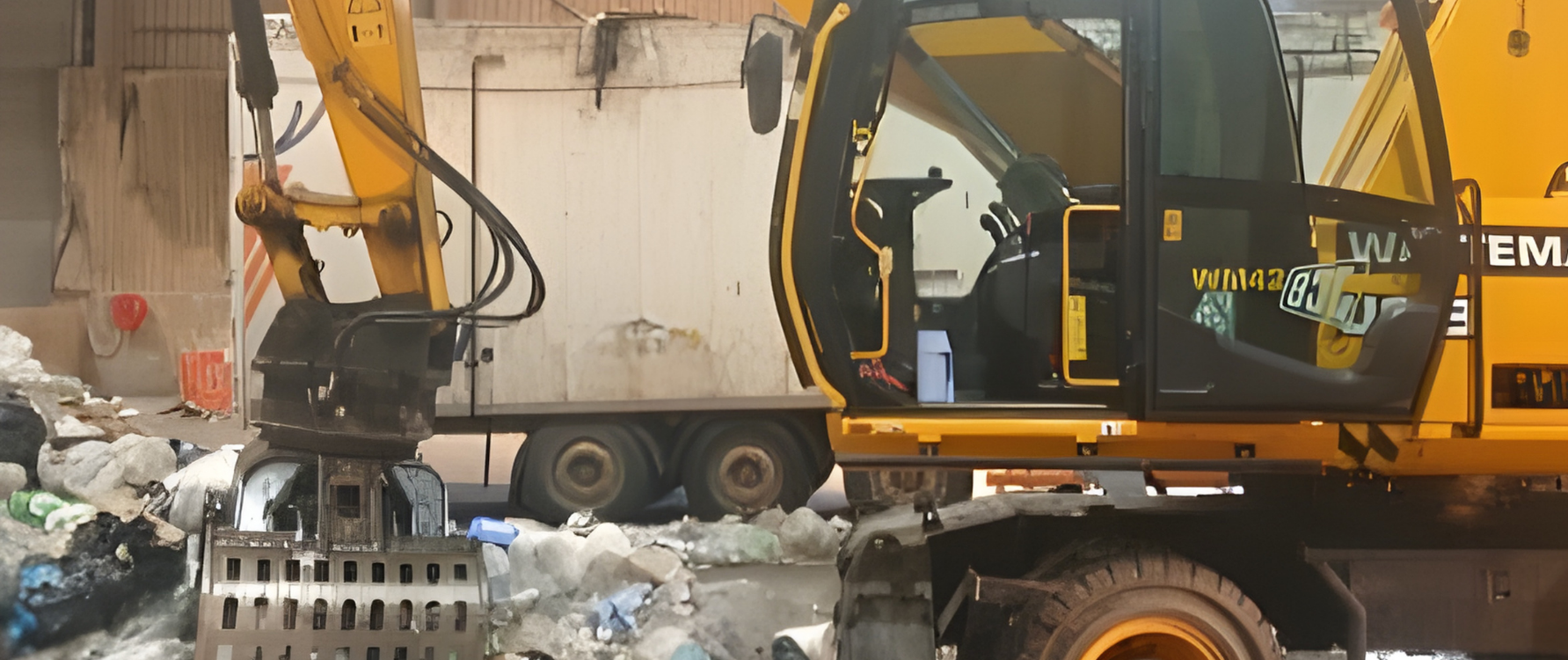
Heavy equipment such as compactors, loaders, and excavators all depend on robust hydraulic systems to manage bulk waste handling and ground compaction. Here, hoses are exposed to rough terrain, impact, and extreme environmental conditions. High-pressure, reinforced hoses ensure these machines continue to operate safely and effectively in demanding landfill environments.
Types of Hydraulic Hoses Commonly Used in Waste Management
Hydraulic hoses used in waste management must handle high pressures, constant flexing, and extreme environmental exposure. Selecting the correct hose type ensures machinery operates safely and efficiently, even under the strain of daily waste handling tasks. From collection vehicles to sorting equipment, hose selection directly affects reliability, service life, and maintenance frequency.
High-Pressure Hydraulic Hoses
These are the backbone of most waste-handling machinery. Designed to cope with heavy loads and high working pressures, they are typically constructed with multiple layers of steel wire reinforcement. You’ll find them powering compactors, bin lifts, and hydraulic rams, any system where sudden pressure spikes are common. High-pressure hoses ensure consistent force transfer and safe, controlled movement during operation.
Abrasion-Resistant Hoses
Waste management environments are harsh, with hoses regularly exposed to friction, vibration, and contact with metal surfaces. Abrasion-resistant hoses feature tough outer covers made from synthetic rubber or specialised polymers, designed to prevent external wear and prolong hose life. These are especially suited to vehicles and fixed systems where hoses run near moving parts or debris.
Thermoplastic and Flexible Hoses
For applications requiring lightweight flexibility, such as articulated arms or narrow routing paths, thermoplastic hoses offer excellent performance. They resist oil, chemicals, and UV exposure, while maintaining flexibility even in cold conditions. These hoses are often used for lifting and control systems where frequent motion demands a balance of strength and manoeuvrability.
Next, we’ll examine the key specifications engineers should look for when selecting hydraulic hoses for waste management equipment.
Key Hose Specifications for Waste Management Applications
Selecting the right hydraulic hose isn’t just about matching diameter and length, it’s about ensuring the hose is suited to the system’s pressure, temperature, and environmental demands. In waste management, where machines operate in harsh and variable conditions, these specifications directly influence reliability, safety, and service intervals.
Working Pressure and Burst Strength
Every hydraulic hose is rated for a specific working pressure, with a built-in safety margin known as burst pressure. In compactors and lifting systems, pressure surges are frequent, making it essential to choose hoses that exceed the maximum operating pressure of the system. Underrated hoses can fail prematurely, leading to costly downtime or hydraulic fluid loss.
Temperature and Fluid Compatibility
Hydraulic hoses must handle both high fluid temperatures and fluctuating outdoor conditions. Waste management vehicles and plant machinery often operate in varying climates, so hoses with wide temperature tolerances are crucial. Compatibility with hydraulic oils, including biodegradable types used in environmentally sensitive areas, also ensures safe and efficient operation.
Environmental and Abrasion Resistance
Exposure to grit, chemicals, and UV light makes hose protection vital. Hoses with abrasion-resistant covers, UV stabilisation, and resistance to oil and chemicals are far better suited to long-term outdoor operation. This durability helps maintain performance even in aggressive waste-handling environments.
Next, we’ll explore how regular inspection, preventive maintenance, and Hydraquip’s rapid repair services help keep waste management equipment operating without interruption.
Maintaining Hydraulic Hoses for Waste Management Equipment
Proactive maintenance is vital to keeping waste management operations running smoothly. Hydraulic hose failures don’t just cause downtime, they create safety risks, environmental spills, and additional costs. Regular inspection, timely replacement, and access to rapid on-site repair services can significantly extend hose life and reduce equipment downtime.
Routine Inspections and Preventive Replacement
Daily visual checks and scheduled inspections allow engineers to spot early signs of wear before they become critical. Look for abrasions, bulging, cracking, or fluid seepage around fittings. Replacing hoses on a time-based schedule, rather than waiting for failure, keeps vehicles and plant equipment running safely and predictably. Preventive maintenance is far less costly than emergency repairs or equipment damage caused by sudden hose bursts.
Rapid On-Site Repairs with Hydraquip’s 24/7 Mobile Service
When a hose does fail, downtime must be kept to an absolute minimum. Hydraquip’s nationwide 24/7 mobile hydraulic hose repair service provides fast, professional response directly to your site. Each van is fully stocked with quality hose assemblies and fittings, enabling first-time repairs for most hose failures. Whether the breakdown occurs on a landfill site, recycling facility, or on the road, Hydraquip’s engineers are trained to get waste vehicles and machinery operational again, day or night.
Why Waste Management Companies Choose Hydraquip
In the waste management industry, downtime is not an option. Hydraulic systems power everything from bin lifts to compactors, meaning any failure can stop an entire operation. Waste management companies across the UK choose Hydraquip because of our proven ability to deliver fast, professional, and technically precise support, wherever and whenever it’s needed.
Nationwide Coverage with Local Response
Hydraquip operates one of the largest 24/7 mobile hose repair networks in the UK, ensuring rapid response across every region. With fully stocked vans strategically located nationwide, engineers can attend breakdowns quickly, whether the site is an inner-city depot or a remote landfill. That combination of scale and local presence means consistent service quality and minimal downtime for your fleet or facility.
Engineers Trained for the Waste Industry
Our mobile engineers are experienced in the specific hydraulic systems used across the waste management sector, including refuse collection vehicles, recycling plants, and static compactors. They understand the pressures, environmental challenges, and safety requirements unique to waste operations. Every repair is carried out to industry standards using quality components to ensure long-term reliability.
High First-Time Fix Rates
Hydraquip’s engineers arrive prepared to complete most repairs during the first visit. Each van carries a wide range of hose sizes, fittings, and adaptors, allowing fast assembly and installation on-site. This approach reduces downtime, eliminates the need for return visits, and ensures waste handling machinery can return to operation as quickly as possible.
When uptime matters most, Hydraquip is the trusted partner to keep your waste management operation running efficiently and safely, wherever you are in the UK.

