Cylinder, Ram & Motor Repairs
Restoring Performance
When a cylinder starts drifting under load or a hydraulic motor loses torque, the issue is rarely minor for long. What begins as slower movement or a visible leak soon turns into lost performance, unplanned downtime, and pressure on the whole operation.
That’s the reality with cylinders, rams, and motors. These are the components doing the work in hydraulic systems. When they wear, seize, leak, or lose efficiency, the machine does not just underperform; it becomes unreliable.
At Hydraquip, we deal with these failures in working environments where equipment needs to be back in service quickly. The priority is always the same: identify the real cause of the problem, repair it properly, and reduce the risk of it happening again.
Why These Components Matter So Much
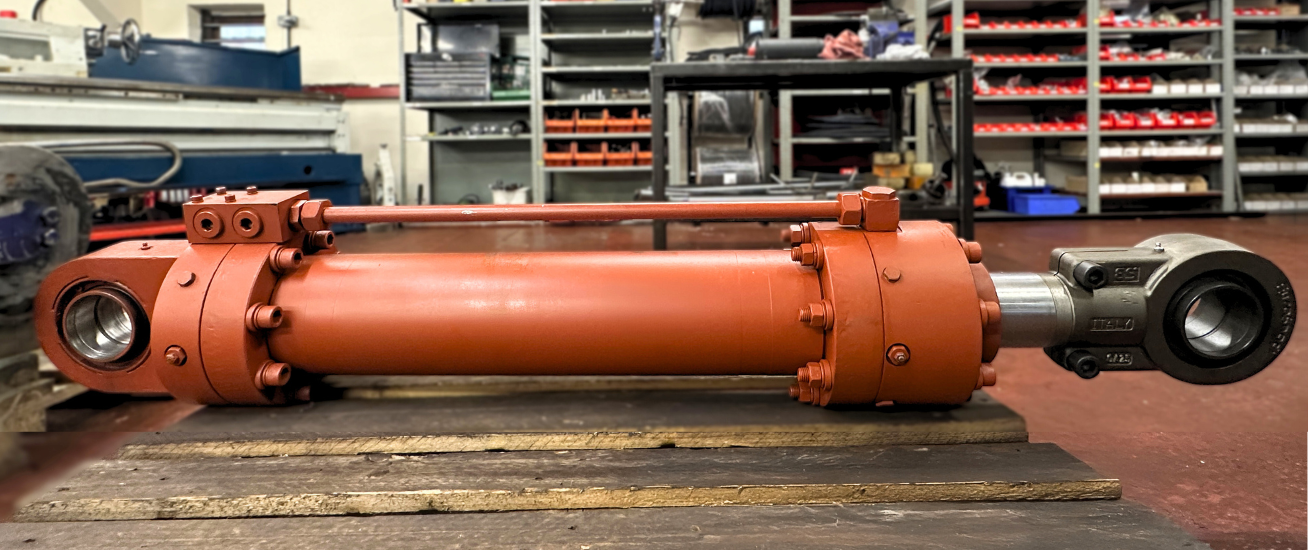
Hydraulic cylinders and rams provide the linear force needed to lift, push, clamp, and position. Hydraulic motors convert fluid power into rotary movement to drive conveyors, augers, winches, and other rotating equipment. When either side of that system starts to fail, the effect is immediate in how the machine performs.
Operators usually notice it first in the way the equipment feels. Lifting becomes slower, holding pressure becomes less reliable, or movement starts to feel uneven under load. Motors can begin to run hotter, lose torque, or behave inconsistently. These are early signs that wear has already started to affect the system.
In practice, the problem rarely stays isolated. A leaking cylinder or inefficient motor puts more strain on the rest of the hydraulic system. Pressure drops, fluid contamination, and secondary component wear often follow. That is why early repair matters. It is not just about restoring one component, it is about protecting overall system performance.
How Failures Typically Develop
Most failures build over time rather than happening without warning. Once you have seen enough of them on-site, the same patterns keep appearing.
Seal failure is one of the most common starting points. Over time, seals wear through pressure cycling, contamination, heat, and general age. Once sealing integrity starts to go, pressure is lost, leaks appear, and contaminants can begin working further into the component.
Rod damage is another regular issue, particularly on plant and equipment working in exposed conditions. Pitting, scoring, or impact damage on the rod surface quickly leads to accelerated seal wear. In many cases, the leak is only the visible symptom. The real problem is the damaged surface destroying the seal every time the rod cycles.
Hydraulic motors tend to show their wear differently. Rather than visible damage, the signs are often reduced efficiency, overheating, or inconsistent output. Internal wear, contamination, or fatigue in working parts causes the motor to lose performance gradually until it becomes a breakdown issue.
Overloading and shock loading also play a part. When equipment is repeatedly pushed beyond what the system is designed to handle, rods bend, seals fail early, and internal damage builds faster. A good repair process should also consider the cause, not just the failed part itself.
The Signs a Repair Is Needed
The obvious signs are leaks, slow movement, poor holding pressure, and loss of power. If a cylinder cannot hold position under load, or a motor is no longer producing the output it should, repair is usually not far away.
Noise matters too. Hydraulic systems should operate smoothly. Grinding, knocking, or whining normally points to internal wear, contamination, or cavitation. These issues are often picked up before total failure if the equipment is being watched properly.
In a lot of cases, the biggest problem is that performance decline becomes normalised. A machine gets slower over time, so it does not stand out until it becomes severe enough to stop the job. That is why routine checks and experienced diagnosis matter. The earlier the issue is identified, the more straightforward the repair usually is.
What a Proper Repair Process Looks Like
A reliable repair is not just a matter of replacing the failed seal and sending the component back out. If the root cause is missed, the same failure comes back.
The first step is proper inspection. That usually means stripping the component down fully and looking at wear patterns, internal condition, damaged surfaces, and contamination. Whether it is a cylinder, ram, or motor, the goal is to understand why performance dropped in the first place.
From there, worn or damaged parts are repaired or replaced as needed. That may involve new seals, refurbished rods, barrel work, internal component replacement, or machining to restore working tolerances. The quality of this stage is what determines whether the repair lasts or simply gets the machine moving again for a short period.
Once repaired, the component needs to be reassembled correctly and tested under pressure. That is a critical part of restoring confidence in the repair. Before it goes back into service, it should be proven to hold pressure, operate smoothly, and perform as expected.
Refitting is only part of the job as well. The wider hydraulic system should be checked to make sure the original cause has not been left in place. If contamination, misalignment, incorrect pressure settings, or wider system wear contributed to the problem, that needs addressing before the same issue comes back.
How Hydraquip Supports Cylinder, Ram and Motor Repairs
When performance drops, operators need more than a generic repair service. They need a hydraulic partner that understands what failure looks like in real working conditions and what it takes to restore equipment properly.
Hydraquip supports businesses across the UK and Northern Ireland with a responsive hydraulic service built around uptime. Our engineers work across plant, transport, waste, manufacturing, and material handling environments where cylinder, ram, and motor issues directly affect output.
Where faults can be dealt with on site, we act quickly to diagnose and restore operation. Where a more involved repair is needed, the job is managed properly so there is visibility from the first call through to completion. Job Manager supports that process by giving maintenance teams a clear record of service activity and progress.
Combined with our 24/7 mobile support, stocked vans, and first-time fix approach, this gives customers a practical route back to performance without unnecessary delay.
Restoring Performance the Right Way
Cylinder, ram, and motor failures are part of hydraulic life, but extended downtime and repeat breakdowns do not have to be.
The difference comes from identifying the issue early, diagnosing it properly, and carrying out a repair that restores performance rather than masking the symptoms. Done right, that gets equipment back to work and reduces the chances of the same fault returning under load.
That is where Hydraquip supports operators across the UK, with experienced engineers, fast response, and a service approach built around keeping hydraulic equipment working.
Explore how our hydraulic services supports repair and recovery.

