Keeping Construction Sites Moving with 24/7 Hydraulic Support
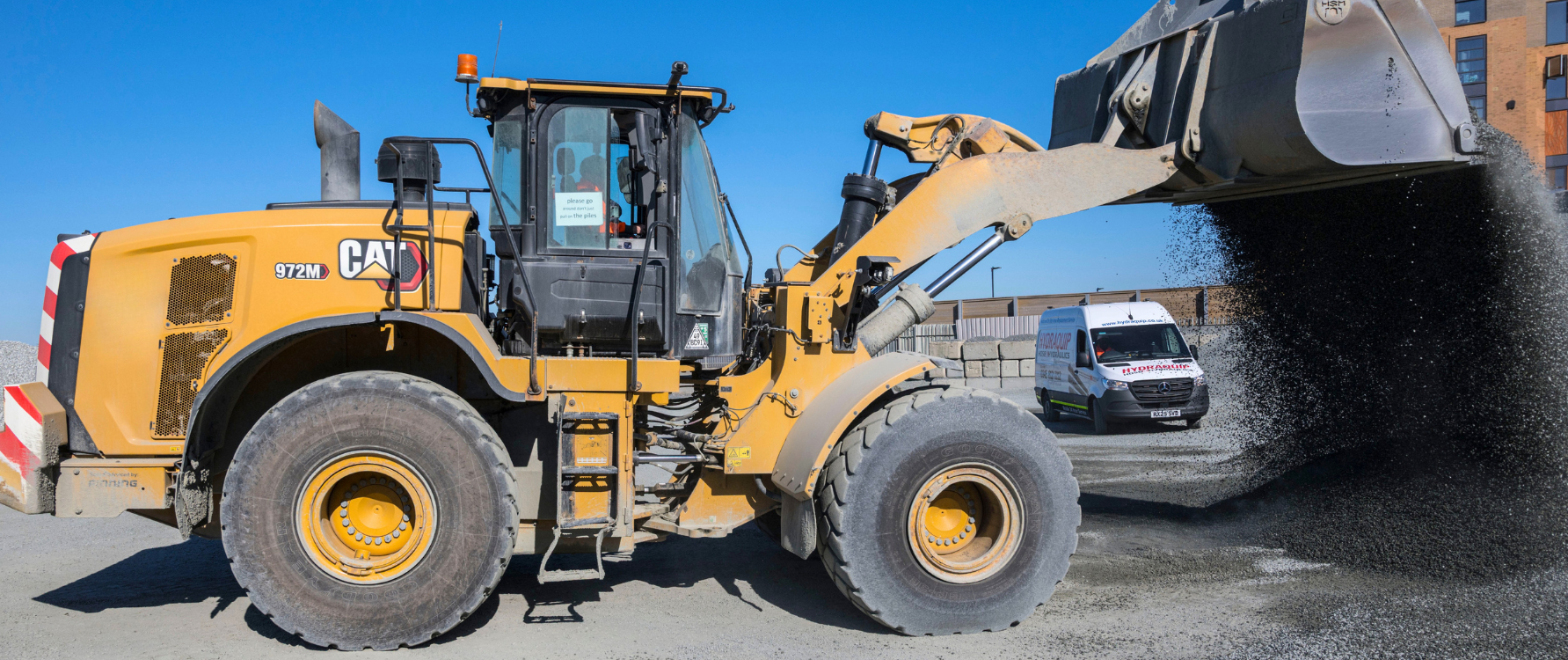
Construction environments place constant demands on hydraulic equipment. Across infrastructure projects, utilities work, demolition sites, housing developments and quarry operations, hydraulic systems face continuous movement, vibration, contamination and high operating loads.
When a hydraulic failure occurs on site, the impact is rarely limited to one machine. Delays can affect multiple trades, disrupt material handling and place immediate pressure on project timelines.
Construction Environments Accelerate Hydraulic Wear
Many hydraulic issues develop gradually rather than appearing as isolated failures.
Constant articulation, uneven terrain, repeated boom movement, attachment changes and exposure to dirt and debris all contribute to long-term wear. Excavators, telehandlers, dumpers and crushing equipment often operate continuously with limited downtime between shifts. Minor routing or installation issues can therefore develop into premature failures.
Hose assemblies can be damaged through repeated contact with steelwork, excessive flexing or movement caused by worn clamps and mounting points. The damage may initially appear minor, but continued operation under pressure can weaken the reinforcement and cause the hose to fail.
Demolition and Groundworks Create Additional Challenges
Demolition, recycling and heavy groundworks are particularly demanding on hydraulic systems.
Dust, impact exposure, repetitive attachment movement and heavy vibration accelerate wear across hoses, fittings and pipework. On high-cycle equipment, recurring failure points can become predictable over time. Identifying these wear patterns early can help prevent repeat failures and improve reliability across similar machines within a fleet.
On site Access Is Part of the Challenge
Construction breakdowns rarely happen in controlled workshop conditions. Failures often occur in excavations, roadside works, restricted-access areas or active construction zones.
Infrastructure and rail projects can create further challenges through overnight working, limited access periods and tightly controlled operational windows. Mobile hydraulic support allows engineers to attend the site directly, diagnose the fault, manufacture a replacement hose assembly and complete the repair without removing components for off-site work.
Hydraquip’s 150 fully equipped mobile workshops operate across the UK and Northern Ireland, supporting construction teams in demanding site environments.
Support Beyond Standard Working Hours
Construction and infrastructure projects frequently operate outside normal working hours, particularly during road closures, utilities work and time sensitive project stages.
A hydraulic failure during an overnight shift or restricted access window can create significant delays if support is unavailable until the following day. Contractors need engineers who can respond, work safely around active plant and complete the repair correctly on site.
24/7 Hydraulic Support for Construction
Hydraquip provides 24/7 on site hydraulic hose replacement across the UK and Northern Ireland, helping construction businesses reduce downtime and keep projects moving.
When hydraulic failure stops your equipment, our experienced engineers are always one call away.
For 24/7 on site support, call 0345 812 0212 or book and track an engineer through Job Manager.

