How Hydraulic Powerpacks Enhance Efficiency and Output
Hydraulic powerpacks sit at the centre of countless industrial systems, delivering controlled, consistent hydraulic power where machinery cannot generate it internally. From plant equipment on construction sites to production lines in manufacturing and waste-handling facilities, these units determine how efficiently operations run and how quickly equipment returns to service after a breakdown.
When a powerpack is properly engineered and correctly matched to its application, it supports higher output, smoother performance, and reduced downtime across demanding environments.
This article explains how modern powerpacks achieve those gains, what features matter most to engineers, and the operational benefits businesses see when upgrading outdated systems.
Understanding Hydraulic Powerpacks
Hydraulic powerpacks are self-contained units designed to deliver hydraulic power to machinery that relies on controlled pressure and flow. They play a critical role in environments where equipment must perform reliably under load, whether that’s lifting, clamping, pushing, or driving continuous industrial processes. Understanding their structure and operating principles provides the foundation for selecting and maintaining the right system for each application.
Core Components and Their Functions
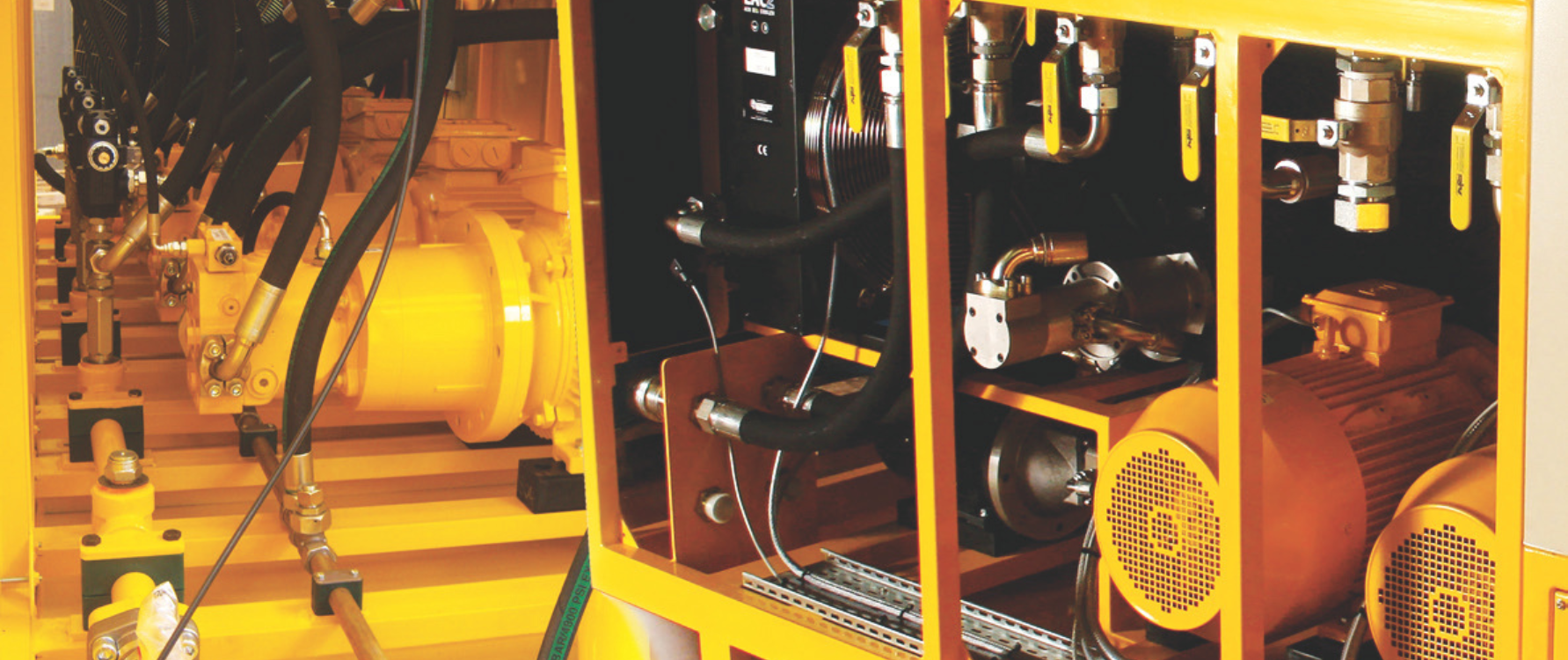
A typical powerpack includes a pump, motor, reservoir, filtration system, valves, and a manifold block. Each component contributes to stable hydraulic performance.
The pump generates flow, the motor drives the pump at a controlled speed, and the reservoir ensures a clean, steady supply of hydraulic oil. Filtration protects the system from contamination while control valves regulate pressure, direction, and flow.
Together, these assemblies create a reliable hydraulic power source capable of supporting continuous or high-load cycles.
Types of Hydraulic Powerpacks Used in Industry
Powerpacks vary widely depending on application demands. Standard units are used for general lifting and actuation tasks, while compact or portable packs suit mobile or restricted environments.
More advanced systems, such as double-acting units or packs with high-pressure capability, are chosen for equipment requiring rapid cycle times or precision control. Electric and engine-driven packs provide flexibility depending on site location and available power sources.
How Powerpack Design Influences Performance
Performance is shaped by pump choice, reservoir capacity, cooling efficiency, and filtration quality. A variable-displacement pump, for example, improves energy use by adjusting flow to demand, while oversized reservoirs support better heat dissipation.
High-grade filtration reduces wear and helps maintain stable pressure delivery. These design decisions directly influence how efficiently the powerpack runs and how long the system remains in service without interruption.
How Modern Powerpacks Improve Efficiency
Efficiency is a priority across every sector that depends on hydraulic power. Rising energy costs, tighter production schedules, and the need for consistent output mean operators expect more from their systems than ever before.
Modern hydraulic powerpacks are engineered to meet these demands by delivering higher performance with lower operating losses, helping teams maintain productivity while keeping running costs under control.
Improved Pump Technology for Optimised Flow and Pressure
Advances in pump design have had a major impact on powerpack efficiency. Variable-displacement pumps adjust output automatically to match system demand, reducing wasted energy during low-load periods.
High-efficiency gear and piston pumps also minimise internal leakage and improve volumetric efficiency, ensuring more of the motor’s power is converted into usable hydraulic flow. These developments allow equipment to run smoother and faster while consuming less energy.
Energy-Saving Innovations
Energy efficiency is built into modern powerpacks through smarter control and better thermal management. Soft-start motors reduce inrush current on start-up, while pressure-on-demand systems prevent the pump from working harder than necessary.
Improved cooling designs limit heat build-up, which helps maintain oil viscosity and reduces stress on internal components. Together, these features lower electricity consumption and extend the operational lifespan of the entire hydraulic system.
Enhanced Filtration and Contamination Control
Contamination is one of the most common causes of hydraulic failure, and modern filtration systems directly address this challenge. High-capacity filters, finer micron ratings, and improved bypass valves keep oil cleaner for longer, reducing wear and ensuring stable pressure delivery.
Cleaner oil supports better pump performance, reduces downtime, and helps maintain consistent output throughout long-duty cycles.
Increasing Output with Modern Powerpack Engineering
Output is a critical performance factor for any hydraulic system, influencing cycle times, lifting capability, and how consistently equipment operates under load.
Modern hydraulic powerpacks are engineered to deliver higher, more stable output, ensuring machinery performs at the pace required in fast-moving industrial environments.
These engineering improvements help teams maintain throughput, tackle heavier workloads, and reduce delays caused by inconsistent hydraulic performance.
Higher Flow Rates for Faster Cycle Times
Modern pump designs, optimised porting, and improved internal geometries allow powerpacks to deliver higher flow rates without increasing energy consumption. Faster flow means quicker actuation, shorter cycle times, and more efficient operation of equipment such as presses, compactors, lifting gear, and conveyor systems.
This directly supports productivity targets, particularly in sectors where every second of cycle time affects output.
Stable Pressure Delivery for Demanding Applications
Pressure stability is essential when machinery must hold, lift, or move heavy loads with precision. Upgrades in valve technology, better pump efficiency, and improved system balancing allow modern powerpacks to maintain consistent pressure even under fluctuating loads.
This stability reduces the risk of stalling, prevents load drift, and helps protect connected equipment from unnecessary stress during operation.
Intelligent Control Systems
Digital integration has made hydraulic systems more responsive and far easier to manage.
Proportional valves, integrated sensors, and electronic controllers allow pressure and flow to be adjusted with greater precision. Intelligent controls also assist with overload prevention, fault detection, and fine-tuning system performance.
These capabilities support higher output by keeping the system running within optimal parameters throughout demanding duty cycles.
Custom-Built Powerpacks for Specific Operational Needs
Standard powerpacks meet the requirements of many applications, but some environments demand more precise control, tighter integration, or higher performance than off-the-shelf units can provide.
Custom-built powerpacks allow engineers to tailor flow, pressure, footprint, and control systems to match the exact needs of the equipment they support.
This ensures the hydraulic system performs reliably within the constraints of the site and the duty cycle it faces.
Matching Flow, Pressure, and Duty Cycle Requirements
Every hydraulic system has unique performance demands. Some applications require high flow for rapid actuation, while others rely on stable pressure to support continuous lifting or clamping.
A bespoke powerpack can be engineered with the correct pump size, motor rating, reservoir capacity, and cooling specification to match the operating cycle precisely.
This improves efficiency and ensures the system performs consistently during peak demand.
Integrated Safety and Control Features
Custom units also allow specialist safety and control requirements to be built in from the start.
These may include emergency stop systems, lock-out controls, overload protection, or dedicated manifolds designed for specific operational sequences.
Integrating these features at the design stage ensures seamless operation and reduces the risk of system failure during critical tasks.
Speak to our team today to ensure your equipment is powered for maximum efficiency and uptime.

