Engineering Solutions for Complex Hydraulic Projects
Some hydraulic projects are straightforward. Others require more than a standard component or routine repair.
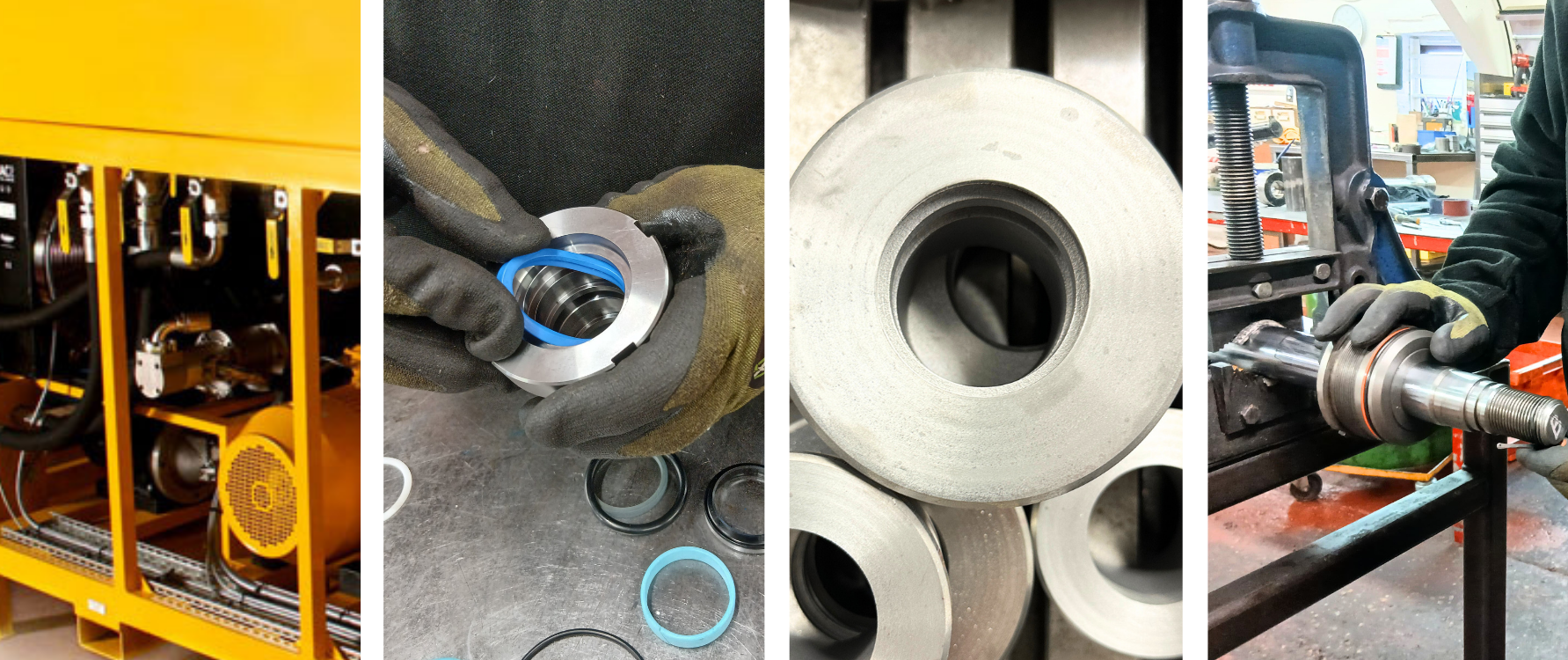
A production line may need modifying, an ageing machine may have become unreliable or equipment from different manufacturers may need integrating into one system. Hydraquip supports complex hydraulic projects with practical engineering expertise, bespoke solutions and a clear understanding of how equipment operates in real-world conditions.
Why Hydraulic Projects Become Complex
Hydraulic projects are often complicated by the equipment and environment surrounding the system.
Machinery is modified, production demands increase and components are replaced as equipment ages. Over time, the system in operation may look very different from its original design. A problem that appears to require a larger pump or different valve may instead be caused by restricted flow, excessive heat, contamination or a limitation elsewhere in the circuit. Space, access and working conditions also influence the solution. Guarding, structural changes and surrounding equipment can make installation and future maintenance more difficult. Dust, vibration, moisture and impact exposure must also be considered.
Understanding the complete application must come before selecting components.
Finding the Root Cause
Hydraulic systems are interconnected, so the most obvious symptom does not always identify the real problem.
Slow operation may not mean the pump has failed. Poor cylinder performance may result from restrictions elsewhere, while repeated hose failures can be caused by routing, movement or vibration. Our engineers assess operating pressures, flow requirements, duty cycles and working conditions before recommending changes. Feedback from operators and maintenance teams also provides valuable insight into how the equipment performs during daily use.
This approach helps avoid unnecessary modifications and ensures the proposed solution addresses the cause rather than the symptom.
Planning Before Installation
A significant part of a project’s success is determined before work begins.
Hose routes must account for movement, vibration, heat, abrasion and future maintenance. Pipework, connection points and components must remain accessible for inspection and repair. Proposed changes must also be considered across the complete system. Increasing flow may create additional cooling requirements, while adding new functions can place greater demand on existing components.
Early engineering review helps identify these issues before they become costly installation or reliability problems.
When Standard Components Are Not Enough
Most applications can be supported using proven standard components, but some require a tailored solution.
Custom hose assemblies may need specific lengths, fitting orientations or routing arrangements. Older machinery can also create compatibility problems between existing equipment and modern components. Bespoke manifolds, specialist adaptors, custom hose assemblies and modified connection arrangements can provide a more reliable solution than working around unsuitable standard parts.
The aim is not to add unnecessary complexity. It is to create a system that works within the available space, operating conditions and maintenance requirements.
Reliable Systems Start with Practical Design
More components do not automatically create a better hydraulic system.
Every additional valve, fitting and connection introduces another potential failure point. Where a simpler design can achieve the required outcome, it can improve reliability, maintenance access and fault finding. Complex control may be necessary, but it should solve an operational requirement rather than create new problems.
Support Throughout the System Lifecycle
Hydraulic support should continue after installation and commissioning.
Operating conditions change, production requirements increase and components wear. Regular inspections and planned maintenance help identify developing problems before they cause unplanned downtime. Hydraquip supports customers from system assessment, design and installation through to maintenance and emergency breakdown response.
Discuss Your Hydraulic Project
Whether you need to modify existing machinery, integrate new equipment or resolve a recurring hydraulic problem, our engineering teams can develop a practical solution around your operation.
Contact Hydraquip to discuss your hydraulic engineering requirements and arrange an initial project assessment. Click here or call 0345 812 0212.

