Get Oil Checked Rather Than Paying Over the Top
Equipment rarely fails without warning. The signs are often already present in the oil long before a machine loses pressure or stops working.
Contamination, wear metals and degraded fluid can develop over weeks or months without any obvious external symptoms. Fluid analysis identifies these changes early, allowing maintenance teams to act before they lead to costly repairs and unplanned downtime.
What Your Oil Can Reveal
Oil carries evidence of what is happening throughout a hydraulic or mechanical system.
As components wear, microscopic particles such as iron, copper and aluminium enter the fluid. Dirt, water and other contaminants can also enter through breathers, seals or poor handling. Fluid analysis identifies wear, contamination and degradation before they become visible faults. Without testing, a minor issue affecting one component can spread contamination through pumps, valves, cylinders and filters. The cost of the replacement part is often small compared with the wider impact of emergency repairs, system cleaning and lost production.
Move Beyond Fixed Oil Changes
Changing oil at fixed intervals can create unnecessary cost without providing a complete picture of system condition.
Changing it too early wastes usable fluid. Leaving it in service too long increases the risk of degradation, contamination and component damage. Fluid analysis replaces guesswork with evidence. Maintenance teams can make decisions based on the oil’s actual condition, extending its useful life where appropriate while protecting equipment. This condition-based approach reduces waste, improves maintenance planning and allows servicing to be scheduled around operational requirements rather than unexpected failure.
Fluids That Can Be Analysed
Fluid analysis can be used across several systems and applications.
Oil analysis identifies component wear, contamination and fluid degradation across hydraulic systems, engines, transmissions and other lubricated equipment. Diesel analysis can detect contamination, microbial growth and fuel-quality issues that may damage injection systems or reduce performance. Coolant analysis monitors fluid condition and chemistry, helping identify risks linked to corrosion, overheating and cooling-system performance. Diesel Exhaust Fluid and transformer insulating fluids can also be tested where contamination or deterioration could lead to equipment faults and significant downtime.
A Clear and Practical Process
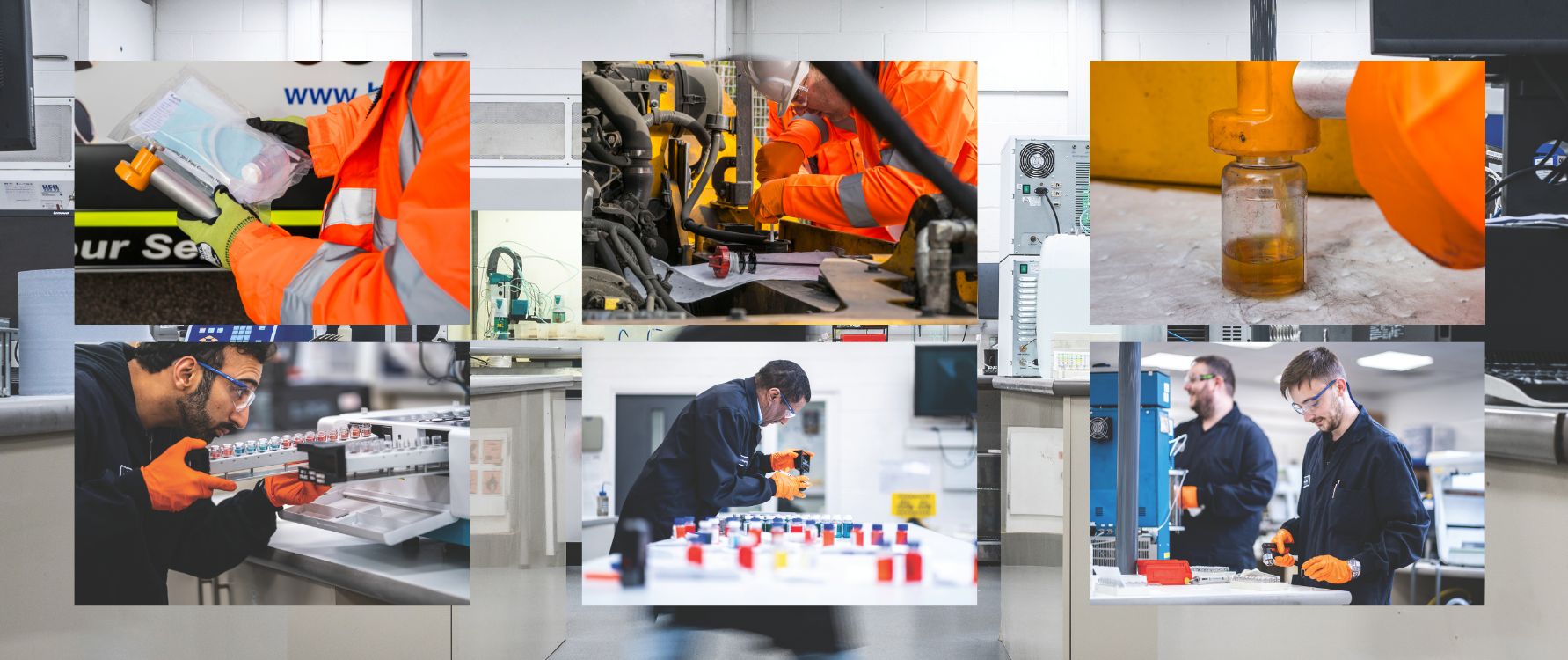
Reliable analysis begins with a representative sample. Correct sampling prevents outside contamination and ensures the results reflect the condition of the system.
The sample is then tested for wear, contamination and fluid condition. Results are provided in a clear report outlining any concerns and recommended actions. Depending on the findings, the next step may involve filtration, a fluid change or further investigation into a developing component fault. The value comes from acting before the issue escalates.
Support Beyond the Test
Hydraquip provides on-site sampling to help maintain a consistent and accurate process across individual machines, fleets and multiple locations.
Fast-track analysis is also available for critical situations where maintenance decisions need to be made quickly. If testing identifies a hydraulic problem, our experienced engineers can provide fault finding, on-site hose replacement and system support. This gives customers access to testing and practical engineering support through one nationwide provider.
Take Control of Your Fluid Maintenance
Waiting for equipment to fail is usually the most expensive option. Fluid analysis provides the information needed to extend fluid life, plan maintenance and identify developing problems before they disrupt operations.
For more information about Hydraquip’s fluid analysis services, click here or call 0345 812 0212.

