OEM Components & Kitting
The line stops, and it’s not a major failure.
It’s a missing hose assembly. Or the wrong fitting was pulled from stores. The build stalls, operators are waiting, and supervisors are chasing parts instead of hitting targets. What should have been a straightforward install turns into lost time across the entire shift.
This is where most production issues start. Not with complex failures, but with simple components not being ready when they’re needed.
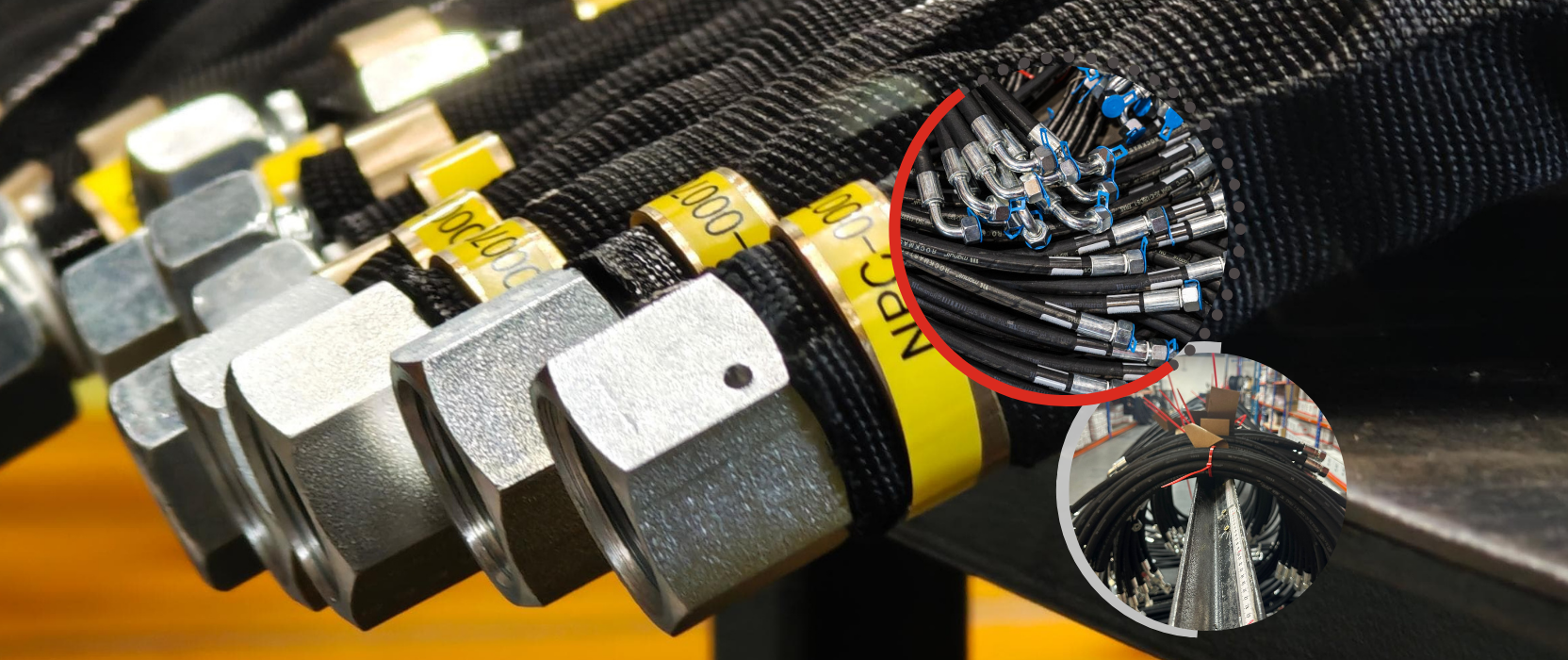
OEM kitting removes that risk. When assemblies arrive built to spec, labelled, and ready to install, the line keeps moving. That’s exactly how Hydraquip supports OEM production, delivering complete, line-ready solutions that reduce downtime and remove uncertainty from the build process.
Why Line-Side Efficiency Depends on the Right Components Being There at the Right Time
Production environments are built around flow. Once that flow is interrupted, even briefly, it’s difficult to recover without impacting output. The biggest issue is that delays rarely come from major failures, they come from small gaps in supply.
The Reality of Production Line Pressure
On most production lines, everything is timed down to the minute. Each station relies on the previous one being completed correctly and on time. When a component isn’t available, operators can’t progress, and that delay immediately transfers to the next stage.
On site, we regularly see situations where a simple hose assembly is holding up a machine build. The rest of the system is ready, labour is in place, but the job can’t move forward without that one part. That’s where inefficiency starts to build.
The Risk of Relying on Loose Components and Manual Picking
Loose components introduce variability. Even in well-managed stores, similar-looking fittings, different thread types, and varying pressure ratings can easily be mixed up, especially when teams are working under pressure.
When the wrong component is picked, it often isn’t identified until installation or testing. At that point, the job has to be stripped back, corrected, and retested. What should have been a simple installation turns into repeated lost time.
What OEM Kitting Means in a Production Environment
OEM kitting is about removing those interruptions. It replaces uncertainty with consistency by ensuring everything required for a task is prepared, checked, and ready before it reaches the line.
Fully Assembled, Ready-to-Fit Hose and Component Kits
Instead of building assemblies on-site, they arrive fully manufactured to the required specification. That includes the correct hose type, pressure rating, and end connections, all prepared in advance.
From an operational point of view, this removes several stages from the process. There’s no need for cutting, crimping, or checking compatibility. The operator installs the component and moves on, keeping the build process consistent.
Multi-Component Kitting for Complete Assemblies
Kitting goes beyond individual components. Full kits include everything required for a specific stage of the build, supplied together so nothing is missed.
This eliminates the need for multiple trips to stores or cross-checking part numbers during assembly. It also ensures that every build is completed using the same components, improving consistency across the line.
Labelling, Bagging, and Traceability Built In
Clear identification plays a big role in keeping production moving. Kits can be labelled with part numbers, barcodes, or custom identifiers, and packaged individually to prevent contamination or damage.
On site, this means less time spent verifying parts and more confidence that the correct components are being installed. It also improves traceability if issues need to be investigated later.
Where OEM Kitting Delivers Immediate Gains on the Shop Floor
The benefits of kitting are usually visible straight away. It simplifies the process for operators and removes common causes of delay.
Faster Installation and Reduced Assembly Time
When components arrive ready to fit, installation becomes a straightforward task. Operators don’t need to spend time preparing assemblies or making adjustments on the line.
This reduces cycle times and helps maintain a steady production rhythm. Over a full shift, those time savings add up and have a direct impact on output.
Fewer Errors and Rework
Pre-built and tested assemblies reduce the likelihood of incorrect installations. The components have already been matched to the application, so there’s less risk of incompatibility or failure.
From experience, most rework comes from incorrect part selection or rushed assembly. Removing those variables improves reliability and reduces the need for repeat work.
Cleaner, More Controlled Line-Side Environments
Kitting also improves the physical working environment. Instead of loose parts and excess stock around the line, everything is contained within organised kits.
This makes it easier to manage, reduces the risk of parts being misplaced, and supports a more consistent approach across different teams and shifts.
Supply That Matches Production: From Scheduled Orders to Just-in-Time Delivery
Having the right components is only part of the solution. They also need to arrive in line with production demand.
Scheduled Call-Off Orders for Predictable Demand
For consistent production runs, scheduled deliveries ensure that parts arrive when they’re needed. This removes the need for urgent orders and reduces the risk of shortages.
It also allows procurement and production teams to plan more effectively, with fewer surprises.
Kanban Systems for Continuous Replenishment
Kanban systems take this further by linking supply directly to usage. As stock is consumed, it is automatically replenished based on agreed levels.
This keeps the line supplied without overstocking and reduces the need for manual stock management.
Just-in-Time Delivery Direct to the Line
Just-in-time delivery ensures that components arrive exactly when they are required, often delivered directly to the line.
This reduces storage requirements, minimises handling, and keeps the focus on production rather than logistics.
Keep Your Production Line Moving
When production depends on hydraulic components being right the first time, there’s no room for delays, incorrect assemblies, or missing parts at the line.
Hydraquip supports OEMs with fully assembled, specification-built hose kits delivered directly to production, backed by flexible supply models and nationwide support. Whether you’re running high-volume builds or managing multiple sites, the focus stays the same, keeping your line moving and your output consistent.
Component issues slowing down your production? Get in touch with our expert team to explore how our OEM kitting solutions work in practice, or book a call-out to discuss your line-side requirements.

