
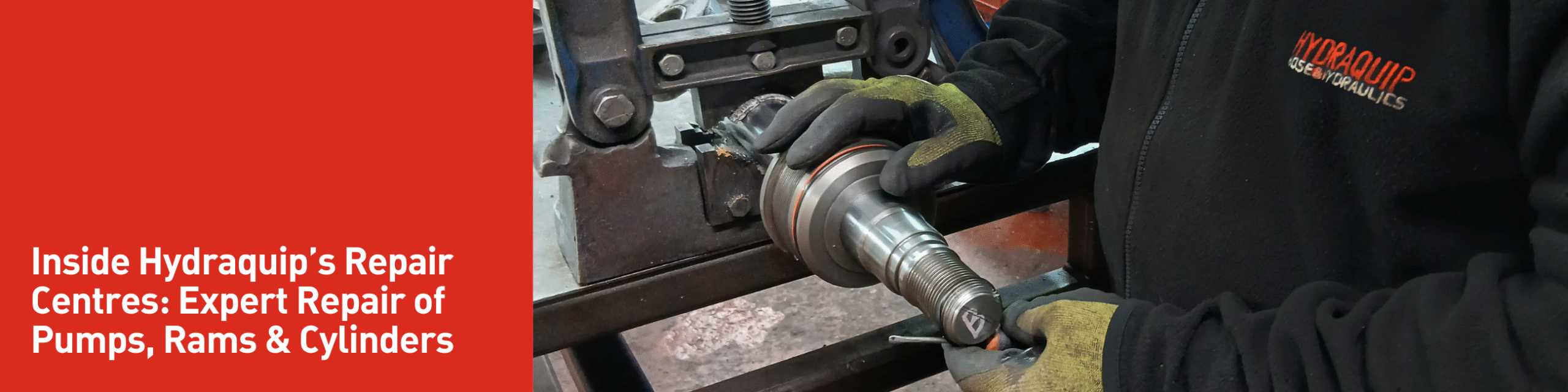
Pump, Ram and Hydraulic Cylinder Repairs: Hydraquip Repair Centres
Hydraulic equipment operates under constant load, and when a critical component begins to fail, the impact on productivity is instant. Downtime disrupts schedules, slows output and creates operational pressure for teams already working to tight deadlines.
Hydraquips’ dedicated hydraulic repair centres offer the specialist support needed to get machinery back to work quickly and safely. With trained engineers, controlled processes and reliable turnaround times, Hydraquip helps keep vital systems running at the performance level your operation depends on.
Understanding Hydraulic Pumps, Rams and Cylinders
In any hydraulic system, each component has a specific job within the application, generating flow, producing force or controlling movement. Over time, wear, contamination or seal fatigue affects how these parts behave. Once performance begins to drop, the rest of the system works harder, increasing the risk of further failures.
Understanding how these components operate helps engineers and maintenance teams recognise early warning signs and decide when a detailed assessment is needed.
The Role of Hydraulic Pumps in System Performance
A pump’s job is to maintain the flow and pressure that the system relies on. When internal wear or cavitation develops, small changes become noticeable, which can include pressure loss, noise, vibration or inconsistent output. These early symptoms are often the first indication that the unit needs expert evaluation.
Hydraulic Rams and Cylinders: How They Work
Rams and cylinders convert hydraulic energy into controlled movement. When seals deteriorate or surfaces become scored, the motion can become uneven, slow or unpredictable. This directly affects accuracy, stability and cycle times, making timely refurbishment essential to avoid wider system issues.
Why Component Health Dictates System Efficiency
Even a single worn component can cause pressure imbalance, energy loss and reduced operational speed. If left unresolved, this strain encourages more faults across the circuit. Targeted repair work helps stabilise the system and protect the wider machinery from unnecessary wear.
How a Hydraquip Service Centre Assesses Hydraulic Components
Once a unit arrives at a repair centre, accuracy and methodical assessment are the priority. A structured approach ensures that the root cause, not just the symptom, is identified. This prevents repeat failures and allows engineers to recommend the most suitable repair pathway.
Hydraquip’s process combines diagnostic equipment, skilled inspection and clear reporting so customers understand exactly what needs attention and why.
Initial Testing and Diagnostic Procedures
Before any strip-down work begins, technicians carry out controlled bench testing to record pressure levels, flow behaviour and any irregular movement. These results establish a baseline and help pinpoint where performance is dropping. Visual checks also highlight external damage, leaks or rod scoring.
Strip-Down and Failure Analysis
Once testing is complete, the component is fully dismantled for detailed inspection. Engineers examine internal surfaces, seals, wear patterns and contamination levels. This step reveals the true cause of failure, allowing for accurate recommendations rather than assumptions.
Repair vs Replacement Assessment
Not every component is best served by a full rebuild. If wear is extensive or critical surfaces cannot be restored to a safe tolerance, replacements may be more reliable and cost-effective.
The assessment captures both options, giving customers the clarity needed to make an informed decision.
Hydraquip’s Repair Process: From Strip-Down to Final Test
Once the assessment is complete and repair approval is given, the component moves through a controlled, step-by-step process designed to restore performance, reliability and safe operating pressure. Each stage is carried out under strict conditions to ensure the finished unit meets the demands of heavy-duty, on-site use.
Precision Machining and Component Refurbishment
Damaged surfaces are restored through honing, polishing or machining, depending on the severity of wear. Replacement parts are sourced or manufactured to match original specifications. This work returns key surfaces to the tolerances required for efficient operation.
Seal and Component Replacement
All seals, O-rings and wear parts are renewed using high-quality materials suited to the working environment. This prevents future leakage, improves internal efficiency and ensures the component performs consistently under load.
Reassembly and High-Pressure Testing
Once rebuilt, the unit undergoes controlled pressure and load testing to verify performance. Engineers monitor for leaks, drift, temperature rise and pressure stability. Units only return to customers once they meet the required operating standards.
Quality Control and Safety Standards You Can Expect
Every repaired hydraulic unit must perform safely under the same conditions it will face on site. That’s why Hydraquip follows strict quality controls, documented testing procedures and industry-recognised standards. Each component is returned only when engineers are confident it will deliver reliable, repeatable performance under load.
Testing to Industry Standards
All repaired parts are tested against relevant specifications, whether manufacturer guidelines, British Standards or sector requirements. This ensures the unit operates within its designed pressure and performance range.
Ensuring Reliability Under Heavy Loads
Testing simulates real working conditions so engineers can confirm smooth movement, stable pressure and correct response under load. This step validates that the repair work has restored full operational integrity.
Safety Assurance Before Return to Site
Before dispatch, the unit is checked for correct assembly, secure seals and safe operation. Clear documentation is provided so maintenance teams know the work completed and the performance verified.
How Hydraquip Minimises Downtime for Your Operation
When equipment fails, the priority is getting machinery back online without compromising safety or performance. Hydraquip’s repair centres are structured to support fast turnaround, clear communication and dependable engineering, helping plant managers and maintenance teams keep their operations moving. The combination of experienced technicians, specialist tooling and organised workflows ensures repairs progress efficiently from arrival to dispatch.
Fast Turnaround and Clear Communication
Customers receive clear updates at key stages so they always know the status of their repair. Lead times are realistic, and any issues identified during assessment are reported quickly to avoid delays. This transparency helps teams plan work around the repair window.
Access to Skilled Engineers and Specialist Equipment
Repairs are handled by trained hydraulic technicians using precision tooling, calibrated test rigs and controlled workshop environments. This capability ensures that every stage, from machining to testing, is completed accurately and efficiently.
Support for Critical, High-Pressure Applications
The repair centres work with components used across demanding sectors such as construction, transport, plant hire and waste management.
This experience allows engineers to understand the operating conditions the equipment will face and ensure it is prepared for high-duty cycles and continuous load.
Why Choose Hydraquip for Hydraulic Repairs
Selecting the right repair partner directly affects machine reliability, operational continuity and long-term maintenance costs. Hydraquip combines industry experience, specialist engineering capability and strong logistical support to deliver repairs that stand up to real-world demand.
Expertise Across Multiple Industries
Hydraquip works with machinery from construction, manufacturing, transport, agriculture and several other sectors. This broad exposure means engineers understand the different duty cycles, load conditions and contamination risks that each industry presents, helping them deliver repairs that match the true operational environment.
Nationwide Coverage and Reliable Logistics
With multiple sites and a well-organised transport network, Hydraquip can move components quickly between customers and repair facilities. This reduces downtime and makes the service accessible to businesses across the UK, regardless of location.
Integration with Hydraquip’s 24/7 Mobile Hose Service
For organisations relying on hydraulic systems, hose failures and component breakdowns often go hand in hand. Hydraquip’s 24/7 mobile hose service works alongside the repair centres, giving customers a complete support system that covers both emergency call-outs and workshop repairs.
Hydraquip’s repair centres provide the structured assessment, precision engineering and thorough testing needed to restore components to a standard you can trust. Combined with experienced technicians, fast turnaround and nationwide support, Hydraquip offers a dependable route to minimising downtime and maintaining operational continuity.
If you’re reviewing worn hydraulic components or planning ahead for refurbishment, speak to your local Hydraquip team for clear guidance and dependable turnaround times.
Our repair centres support businesses across the UK with accurate assessments, precision engineering and safe, tested results.
Get in touch today to discuss your hydraulic repair requirements and keep your operation running at full capacity.

